Ombré or Balayage? A Guide for First-Timers
Color services like ombré and balayage are extremely popular for people who want a soft, modern, and dimensional look. If you are planning your first hair color transformation, you might wonder which technique is right for you and what sets these two options apart. Both styles are beautiful, but they each offer their own approach to brightness, blending, and upkeep.
Whether you plan to visit a Silver Spring hair salon, a hair salon in Bethesda, or one of the many trusted hair salons in Maryland, this guide will walk you through what to expect. Many first-time clients also find it helpful to book with experienced providers such as Gladys Hair Designs, where stylists can tailor each technique to your hair type and preferred intensity.
Below is an easy-to-understand breakdown to help you decide between ombré and balayage as a first-time color client.
Key Takeaways
- Ombré and balayage are both gradient styles, but ombré has a more dramatic transition while balayage offers a softer, hand-painted dimension.
- Balayage is known for its low-maintenance upkeep compared to traditional highlights or more defined ombré transitions.
- Ombré usually delivers a bolder contrast that begins midway through the hair. Balayage focuses on a natural, sun-touched effect.
- Your natural hair color, texture, and lifestyle play a major role in choosing the right technique.
- Both looks require professional application for the best blending and long-term results.
- Visiting an experienced provider like
Gladys Hair Designs
ensures a personalized approach based on your hair goals.
What Is Ombré?
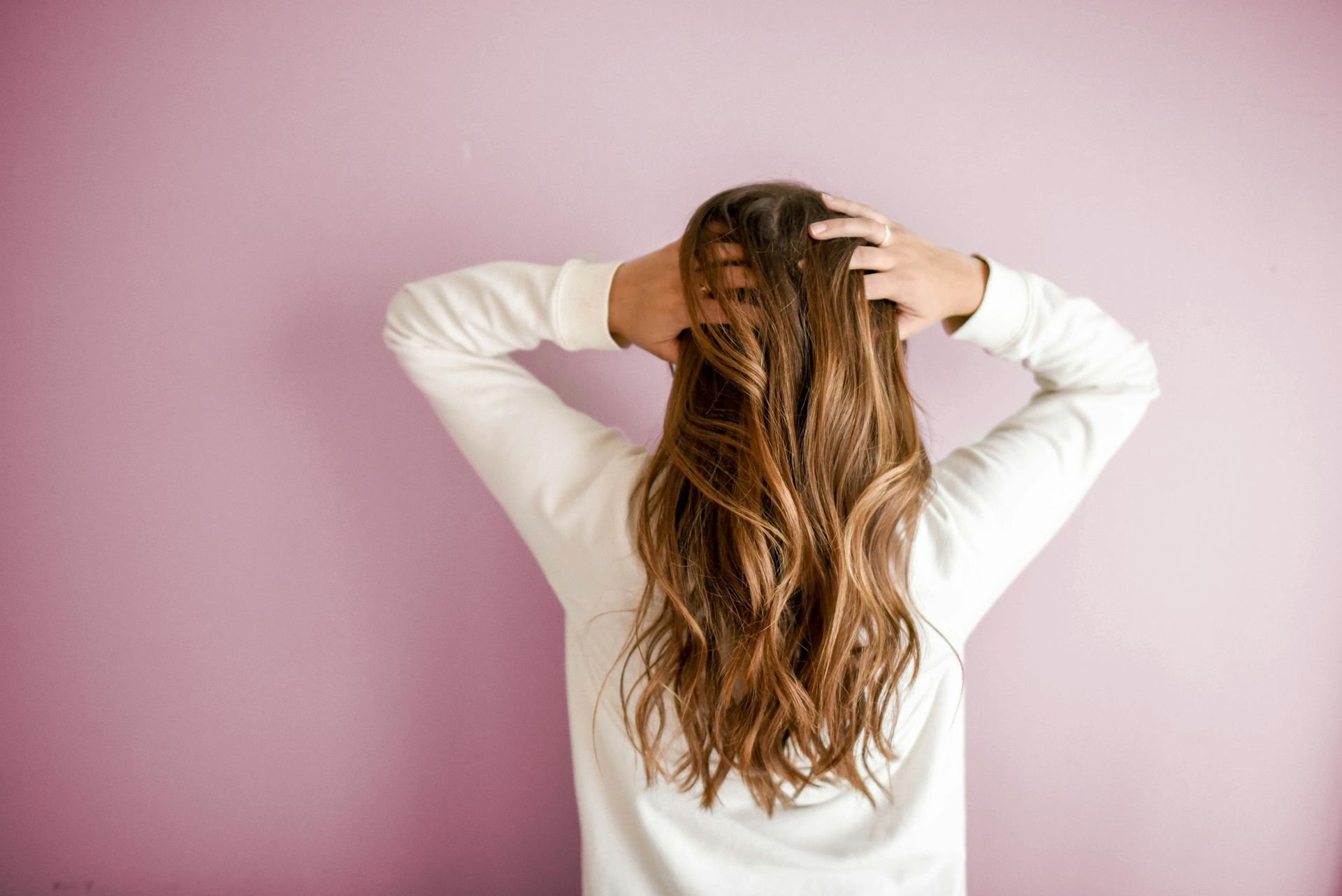
Ombré is a gradient coloring technique where the hair gradually transitions from a darker shade at the roots to a lighter shade on the ends. While modern versions can be subtle, the transition is usually more noticeable than balayage.
How the Ombré Technique Works
The stylist darkens or maintains your root color and lightens the bottom half of your hair through controlled placement. This creates a two-tone effect that becomes naturally lighter as it moves downward.
Why First Timers Choose Ombré
- You want a defined fade from dark to light
- You prefer a bolder, fashion-forward hairstyle
- You enjoy a stronger contrast without heavy highlights
- You want to avoid frequent root touch-ups
Best Hair Types for Ombré
Ombré works well on most hair types, but it is especially striking on straight or wavy hair where the transition appears clean and visible.
Ombré Maintenance
Ombré can be low-maintenance because the roots stay darker. You may only need occasional toning or end brightening, depending on your color goals. Many clients schedule maintenance every three to four months.
What Is Balayage?
Balayage is a French word that means to sweep. It is a freehand coloring technique that creates natural and blended highlights. Instead of a clear light-to-dark divide, balayage adds dimension throughout the hair for a soft, sun-kissed look.
How the Balayage Technique Works
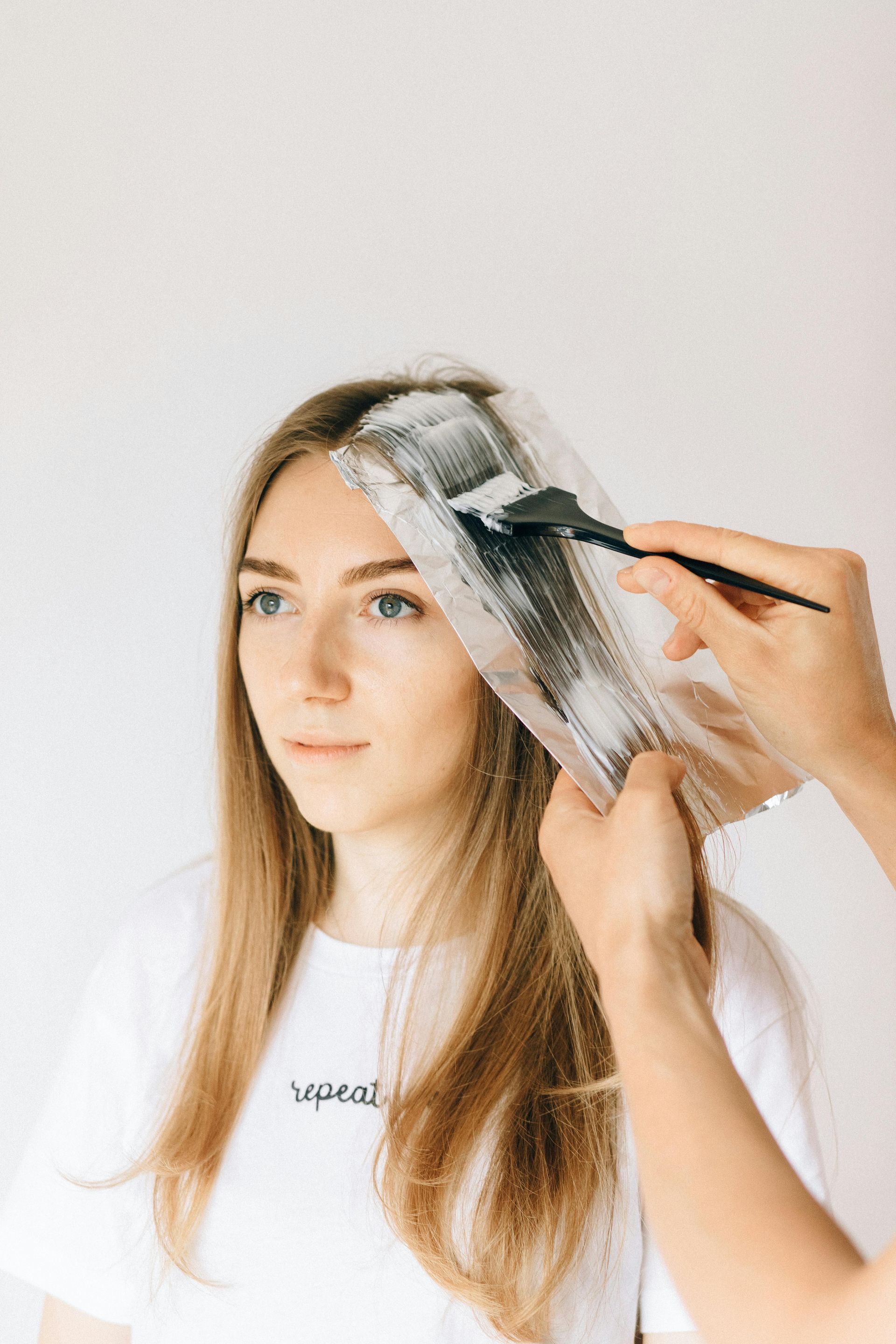
The stylist hand-paints lighter onto selected surface pieces of hair. This avoids harsh lines and creates natural ribbons of brightness.
Why First Timers Choose Balayage
- You want low low-maintenance color
- You prefer soft, organic brightness rather than bold contrast
- You want your color to grow out naturally without strong root lines
- You like a modern, lived-in finish
Best Hair Types for Balayage
Balayage looks beautiful on textured, curly, wavy, or straight hair. Because the highlights are placed strategically, it can be customized for nearly all hair types.
Balayage Maintenance
Balayage typically requires less upkeep than ombré or traditional foil highlights. Many clients return every three to five months, depending on hair growth and brightness preferences.
Ombré vs Balayage: Side by Side Comparison
| Feature | Ombré | Balayage |
|---|---|---|
| Look | Dramatic transition from dark to light | Soft, natural, hand painted brightness |
| Technique | Gradient applied from mid length to ends | Freehand sweeping placement |
| Maintenance | Moderate to low | Low |
| Best For | People who want bold contrast | People who want subtle, dimensional color |
| Fade Line | More noticeable | Blended and natural |
| Customization Level | Medium | Very high |
How to Choose the Right Technique for Your Hair
Choosing between ombré and balayage depends on your personal style, daily routine, and hair characteristics. Here are factors that help guide your decision.
1. Your Desired Level of Brightness
If you want strong contrast or dramatic light ends, ombré is the better match. If you want soft ribbons of color or a sun-kissed glow, balayage gives a more natural finish.
2. Your Hair’s Starting Level
For darker hair, both techniques require lightening. Balayage often results in a softer lift, while ombré might call for more visible lightening. A professional stylist, such as those from Gladys Hair Designs, can assess what is safe for your hair type.
3. Your Upkeep Preferences
Busy schedules often pair better with balayage because it grows out gracefully. Ombré also offers root-friendly maintenance but might require more toning sessions depending on the shade.
4. Your Haircut and Styling Habits
Wavy or curly textures usually enhance balayage beautifully. Sleek, straight hair highlights the fade of an ombré style, making the gradient more noticeable.
Cost and Appointment Timing
Prices and appointment lengths vary across hair salons in Maryland, but here is a general overview.
Average Timing
- Balayage: 2.5 to 4 hours
- Ombré: 2 to 3.5 hours
Average Maintenance Cost
This depends on hair length, product use, and toning needs, so salons usually provide a consultation before setting expectations. Visiting a trusted provider such as Gladys Hair Designs helps ensure your estimate is accurate.
Is One Style More Beginner-Friendly Than the Other?
Both are great options for first-timers, but balayage is often recommended because it requires less commitment. The soft blending allows clients to experiment without worrying about drastic grow-out lines.
Ombré is ideal for clients who want a noticeable transformation while minimizing the upkeep of full highlights.
How Long Each Technique Lasts
Both ombré and balayage are known for their long-lasting, low-maintenance nature, which is why they are popular among first-time color clients. Since these techniques focus on blending and soft placement rather than root-to-tip color, they grow out more naturally than traditional highlights.
Ombré Longevity
Ombré often lasts several months because the transition begins lower on the hair shaft. Since the roots remain dark and close to your natural shade, new growth blends in seamlessly. Many clients only return for occasional toning or brightening every three to four months. If you choose a more dramatic ombré with very light ends, you may want touch-ups sooner to keep the color fresh and balanced.
Balayage Longevity
Balayage is considered one of the longest-lasting color techniques due to its hand-painted, blended placement. The softness of the highlights makes regrowth less noticeable, which is ideal for clients who want a natural finish. Depending on your brightness level and hair texture, you can often go three to five months between appointments. Some clients return sooner for toner refreshes or gloss treatments to maintain shine.
Overall, balayage typically lasts slightly longer without looking grown out, while ombré maintains its shape well but may need more toning if the lighter ends start to fade. Your ideal timeline depends on your hair goals and how often you enjoy refreshing your color.
Why Professional Application Matters
While online tutorials make DIY color seem simple, techniques like ombré and balayage require skill, control, and an understanding of how hair responds to lightener. Professional colorists create results that are balanced, blended, and safe for your hair.
Precision and Placement Skills
Balayage involves strategic hand painting. Ombré requires controlled gradients and even saturation. A trained stylist knows how to adjust placement for your haircut, texture, and face shape to ensure your color looks natural and intentional.
Customized Lightening for Your Hair Type
Hair reacts differently based on density, porosity, existing color, and previous treatments. Professionals evaluate these factors before applying lightener, choosing the safest and most effective approach for your hair. This helps prevent uneven lifting or unwanted tones.
Reduced Risk of Damage
Incorrect product choice or over-processing is a common issue with DIY coloring. Salons use high-quality products and monitor your hair throughout the service to protect its integrity. This is especially important for first-time clients who may not know how their hair handles bleach.
Better Blending and Long-Term Results
The seamless finish seen in ombré and balayage is difficult to achieve at home. Stylists use sectioning, tension, and brush techniques that ensure smooth gradients and professional-level dimension. This not only looks better but also grows out more gracefully.
Personalized Recommendations and Aftercare
Whether you visit a silver spring hair salon, a hair salon in Bethesda, or any trusted hair salon in Maryland, you gain access to personalized advice from experts who understand your hair goals. They can guide you on maintenance routines, gloss scheduling, and color preservation to help your new look last as long as possible.
Professional application ensures your color stays vibrant, healthy, and beautifully blended from your first appointment to your next refresh cycle.
Frequently Asked Questions
Which lasts longer, ombré or balayage?
Both techniques last a long time because they are applied away from the roots. Balayage often lasts slightly longer due to its blended finish, but results vary depending on hair care and color choice.
Is balayage easier to maintain than ombré?
Balayage tends to be easier to maintain because its soft placement blends with natural regrowth. Ombré is also low maintenance but may require more toning depending on the lightened ends.
Can I switch from ombré to balayage later?
Yes. Many clients transition between the two. Your stylist can gradually blend or shift placement during future appointments.
Is one technique better for curly hair?
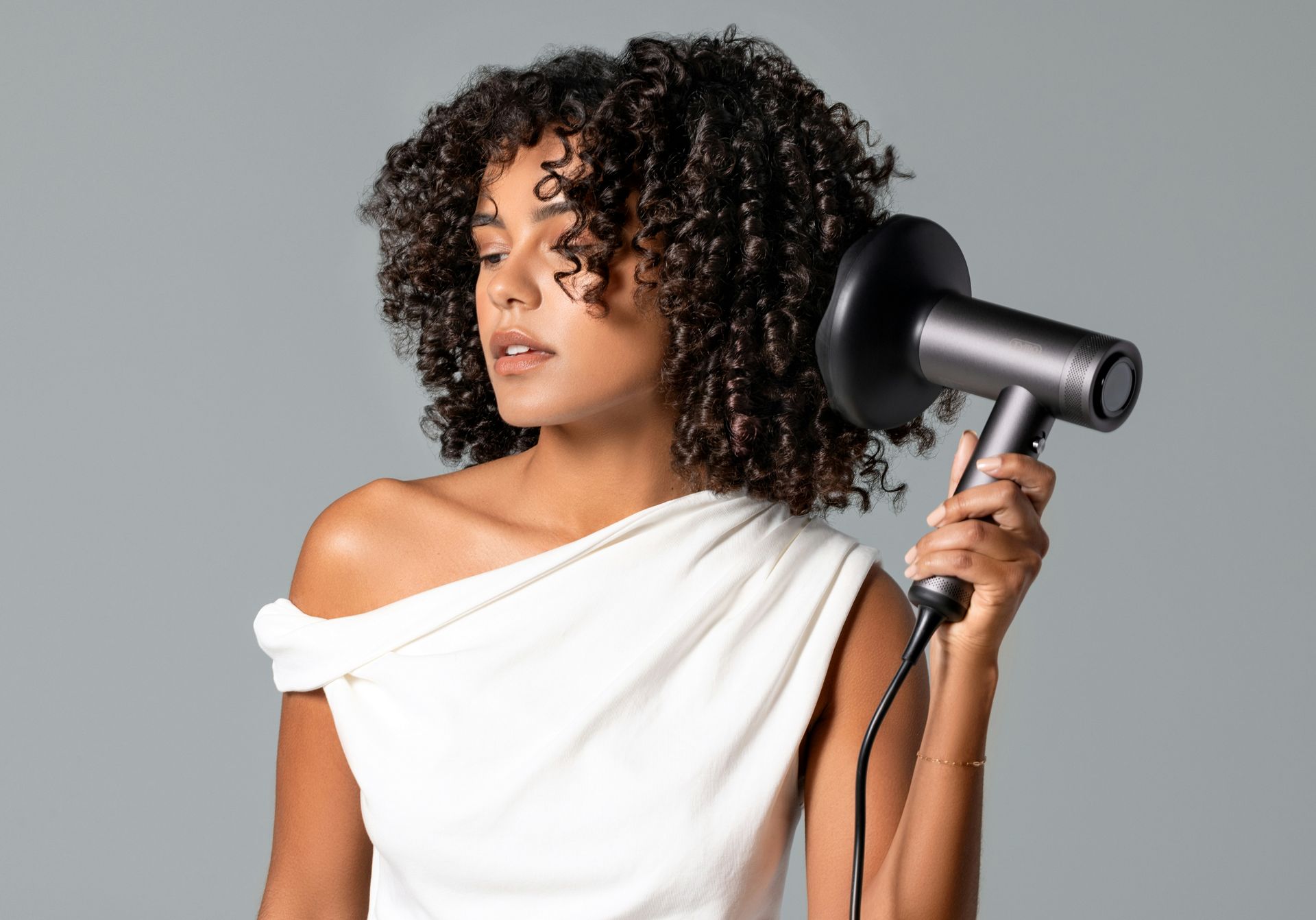
Balayage is often preferred for curly hair because hand-painted placement creates natural dimension that enhances curls. However, ombré can also be tailored for textured hair.
Do I need a consultation before choosing a technique?
A consultation is highly recommended. Professionals, such as those at Gladys Hair Designs, can evaluate your hair condition, previous color, and goals to determine the safest approach.
Final Thoughts
Ombré and balayage are both beautiful coloring techniques that can completely enhance your look. The best choice depends on how dramatic you want your results to be, how much upkeep you prefer, and how your natural hair responds to lightening. Visiting a skilled stylist, especially one familiar with modern color techniques in Silver Spring hair salon settings, a hair salon in Bethesda, or other hair salons in Maryland, ensures that your results will be customized and carefully crafted.
With the right guidance, even first-timers can enjoy a smooth and successful color transformation.
Book your appointment with Gladys Hair Designs and let a professional stylist help you choose the perfect look for your hair type, lifestyle, and personal style.
Reference:
https://www.matrix.com/blog/balayage-vs-ombre
Share this article